
Asia & Indian Ocean · City & region guides
Osaka Tailor-Made Travel
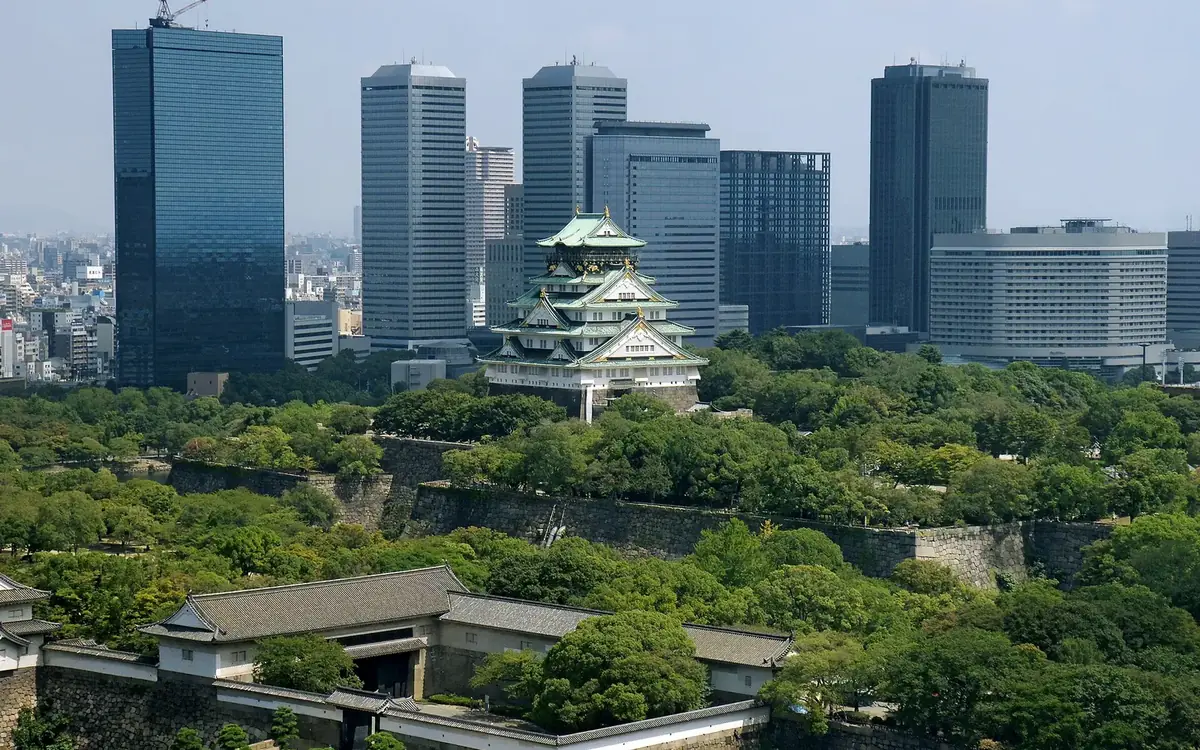
Osaka adds a more direct, food-led urban rhythm after Kyoto. Castle history, merchant culture, markets, Dotonbori and the modern Umeda skyline fit into two coherent districts, while rail makes Kyoto, Nara and Kansai Airport easy to connect.
Country guide
Osaka
Osaka adds a more direct, food-led urban rhythm after Kyoto. Castle history, merchant culture, markets, Dotonbori and the modern Umeda skyline fit into two coherent districts, while rail makes Kyoto, Nara and Kansai Airport easy to connect.
Areas to understand
Areas to understand
Namba & DotonboriUmedaOsaka CastleShinsekaiOsaka Bay
Signature experiences
Signature experiences · Osaka
Eight specific starting points, each reordered for opening times, geography, weather and the people travelling.
01
Dotonbori after dark
Dotonbori after dark is explored as a connected Osaka neighbourhood walk: the useful starting point, street sequence, walking level and a natural café or meal pause are set before adding another district.
02
Osaka Castle in context
Osaka Castle in context receives a focused visit in Osaka; opening day, entrance route, meaningful time inside and any dress or photography rule are checked before nearby stops are sequenced.
03
Kuromon Market
Kuromon Market is shaped around what the traveller wants to taste, with dietary notes, market or restaurant opening hours, walking distance and a dependable meal break confirmed in advance.
04
Umeda skyline
Umeda skyline receives a focused visit in Osaka; opening day, entrance route, meaningful time inside and any dress or photography rule are checked before nearby stops are sequenced.
05
Street-food route
Street-food route is shaped around what the traveller wants to taste, with dietary notes, market or restaurant opening hours, walking distance and a dependable meal break confirmed in advance.
06
Bunraku or performance request
Bunraku or performance request is planned as a real evening: production availability, seats, running time, dress expectations, pre- or post-show dining and the return to the hotel are requested together.
07
Osaka Bay family option
Osaka Bay family option is treated as an operated water experience, with the pier, vessel or ticket type, duration, weather limits, route and return connection stated before confirmation.
08
Kyoto or Nara rail connection
Kyoto or Nara rail connection receives its own travel window from Osaka, realistic time on site, luggage or vehicle plan where needed and a return connection that is not hidden inside a city day.
Where to stay
Where to stay · Osaka
Rail and metro cover the core districts; walk within Namba and use a private transfer for luggage-heavy station or airport movements.
Programmes that use this place
Programmes that use this place
Complete day-by-day journeys with visible city-to-city connections, luggage handling and arrival rest.
01
Japan Essential
A focused 7-day introduction to Tokyo · Kyoto · Osaka, built around Meiji Shrine context, Harajuku, Shibuya with realistic arrival, touring and departure days.
Open city guide →02
Japan Golden Route
A complete 9-day route through Tokyo · Hakone · Kyoto · Osaka, balancing Meiji Shrine context, Shibuya, Harajuku with neighbourhood life and enough time to understand each stop.
Open city guide →03
Japan Signature
MG Tourism’s 12-day signature design for Tokyo · Hakone · Kyoto · Nara · Osaka: Meiji Shrine context, Harajuku, Shibuya, private logistics and a pace that protects the quality of every day.
Open city guide →Osaka Tailor-Made Travel
City & region guides
City & region guides
Browse the places independently before combining them into one country journey.
 Open city guide ↗
4–5 Ideal duration
Tokyo
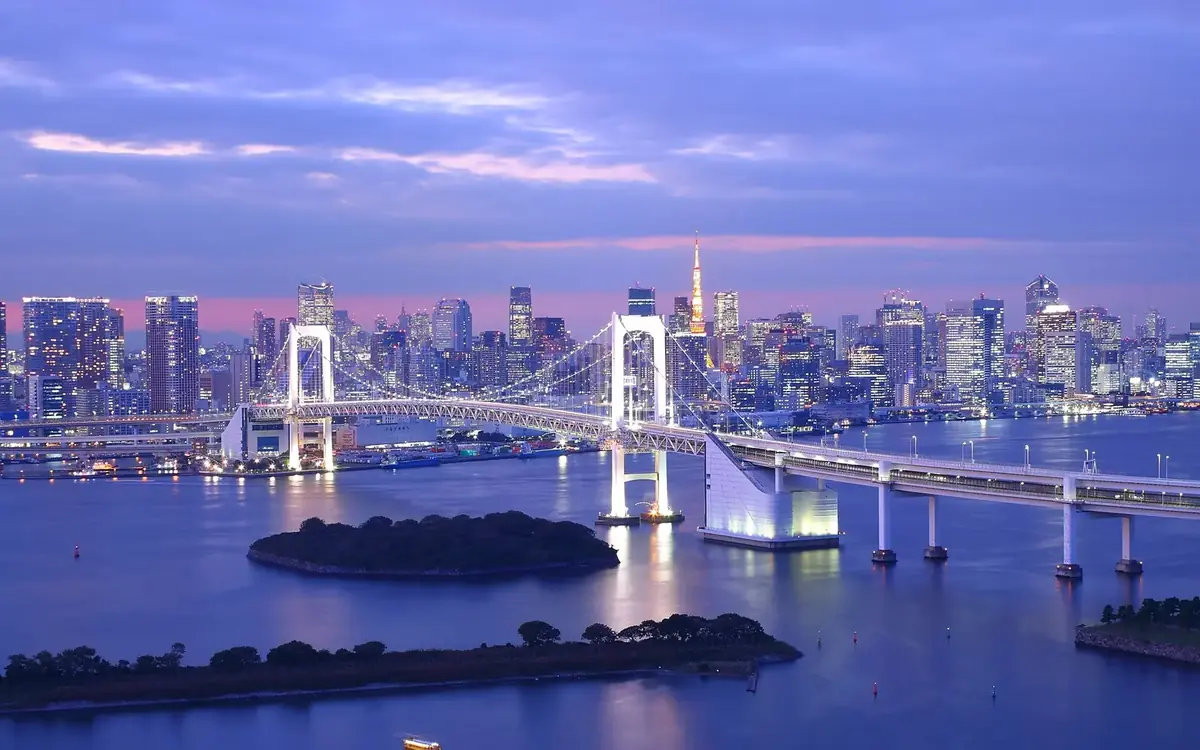
Tokyo becomes usable when its rail network and districts are explained together. A balanced stay contrasts Asakusa and Meiji Shrine with Shibuya, Ginza, contemporary design and neighbourhood food, without crossing the metropolis repeatedly.
 Open city guide ↗
3–4 Ideal duration
Kyoto
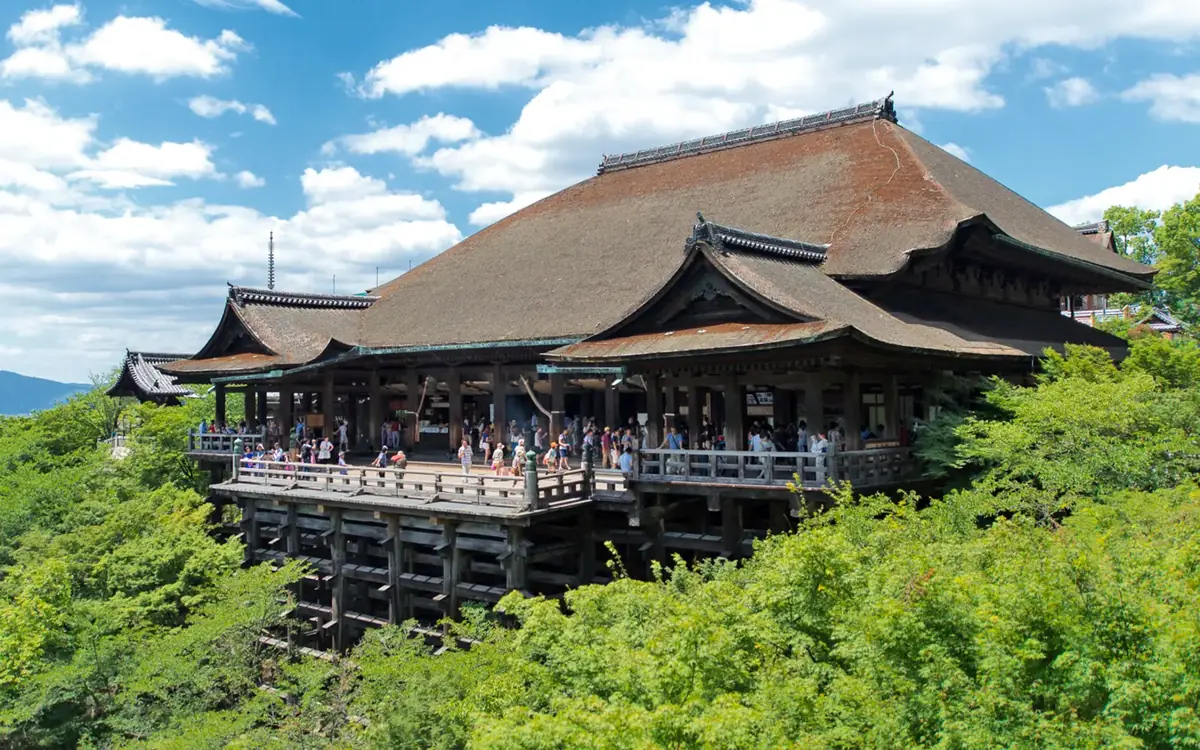
Kyoto needs selection, not a race through temples. The strongest days group Higashiyama and Gion, western Kyoto and one quieter garden or craft encounter, with early starts where crowds materially change the experience.
Open city guide ↗2–3 Ideal duration
Osaka
Osaka adds a more direct, food-led urban rhythm after Kyoto. Castle history, merchant culture, markets, Dotonbori and the modern Umeda skyline fit into two coherent districts, while rail makes Kyoto, Nara and Kansai Airport easy to connect.
 Open city guide ↗
2 Ideal duration
Hakone
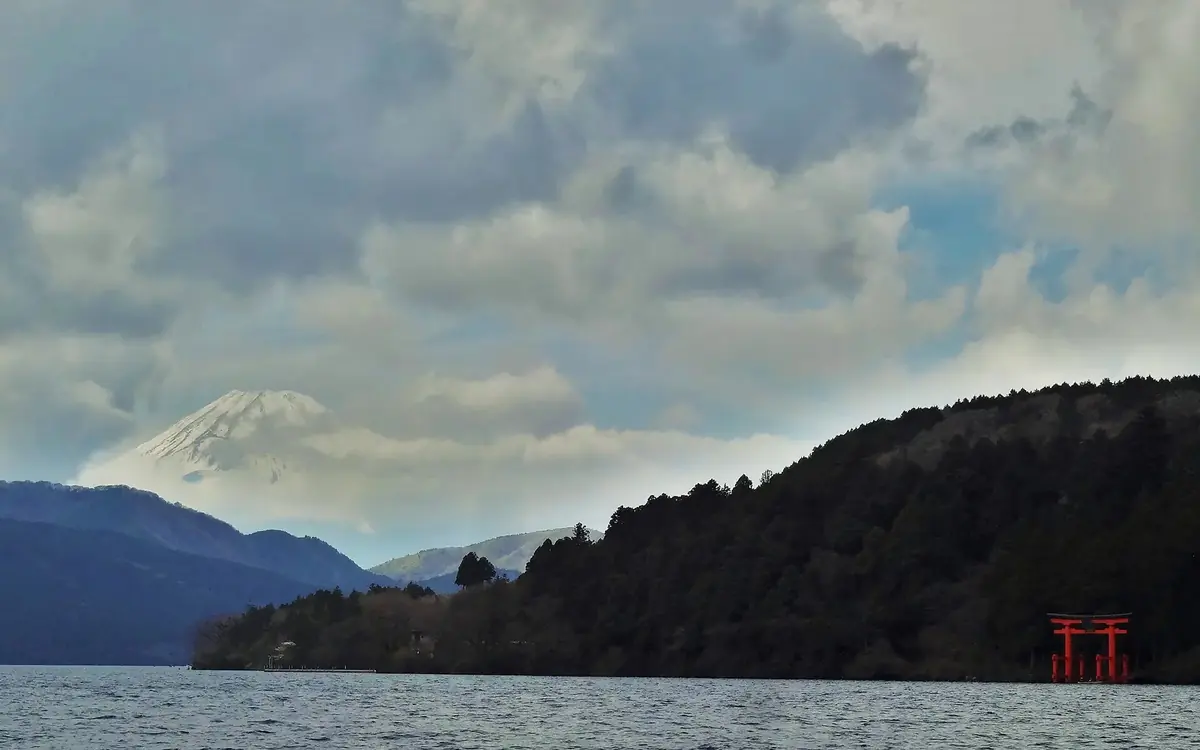
Hakone is a mountain and hot-spring pause between Tokyo and Kyoto, built around a ryokan stay rather than a rushed Fuji photo stop. Lake Ashi, the ropeway and volcanic Ōwakudani can reveal Mount Fuji in clear conditions, but weather and operating checks shape the actual route.
 Open city guide ↗
1–2 Ideal duration
Nara
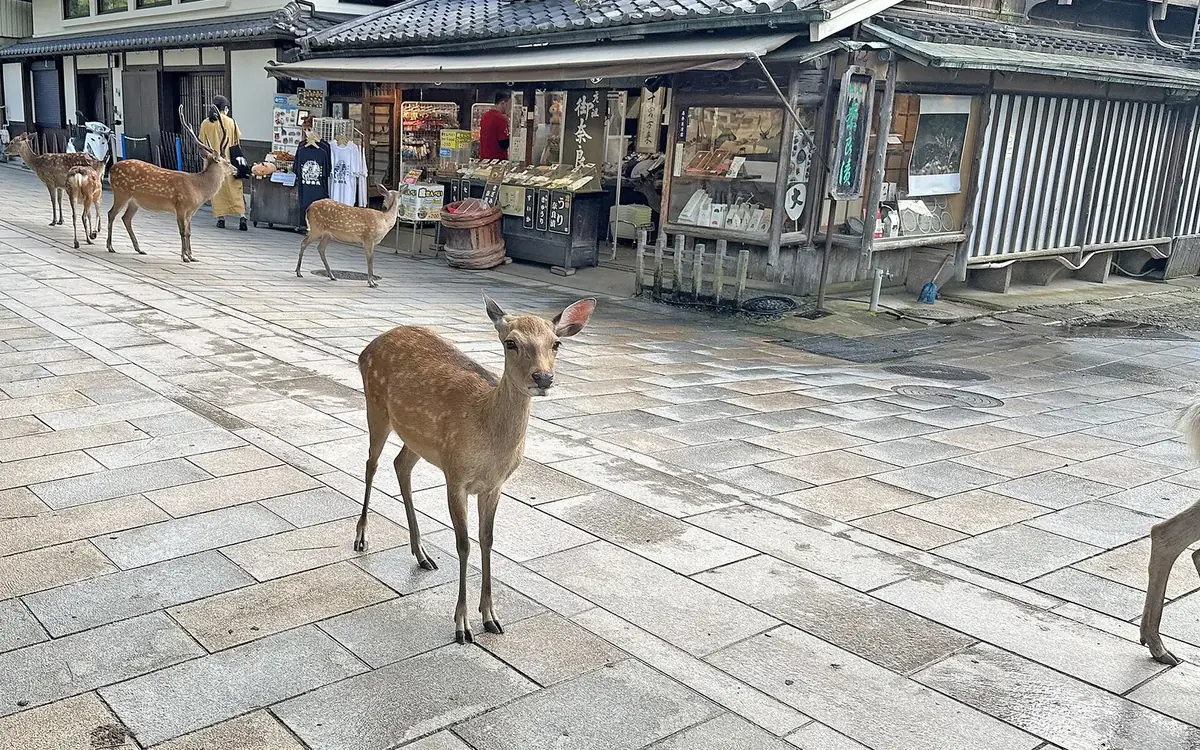
Nara gives Japan’s first permanent capital its own cultural day: Tōdai-ji’s Great Buddha, Kasuga Taisha, temple parkland and traditional quarters sit within a walkable but substantial route. The freely roaming deer are part of the setting, not the sole reason to visit, and travellers should feed them only with approved crackers.